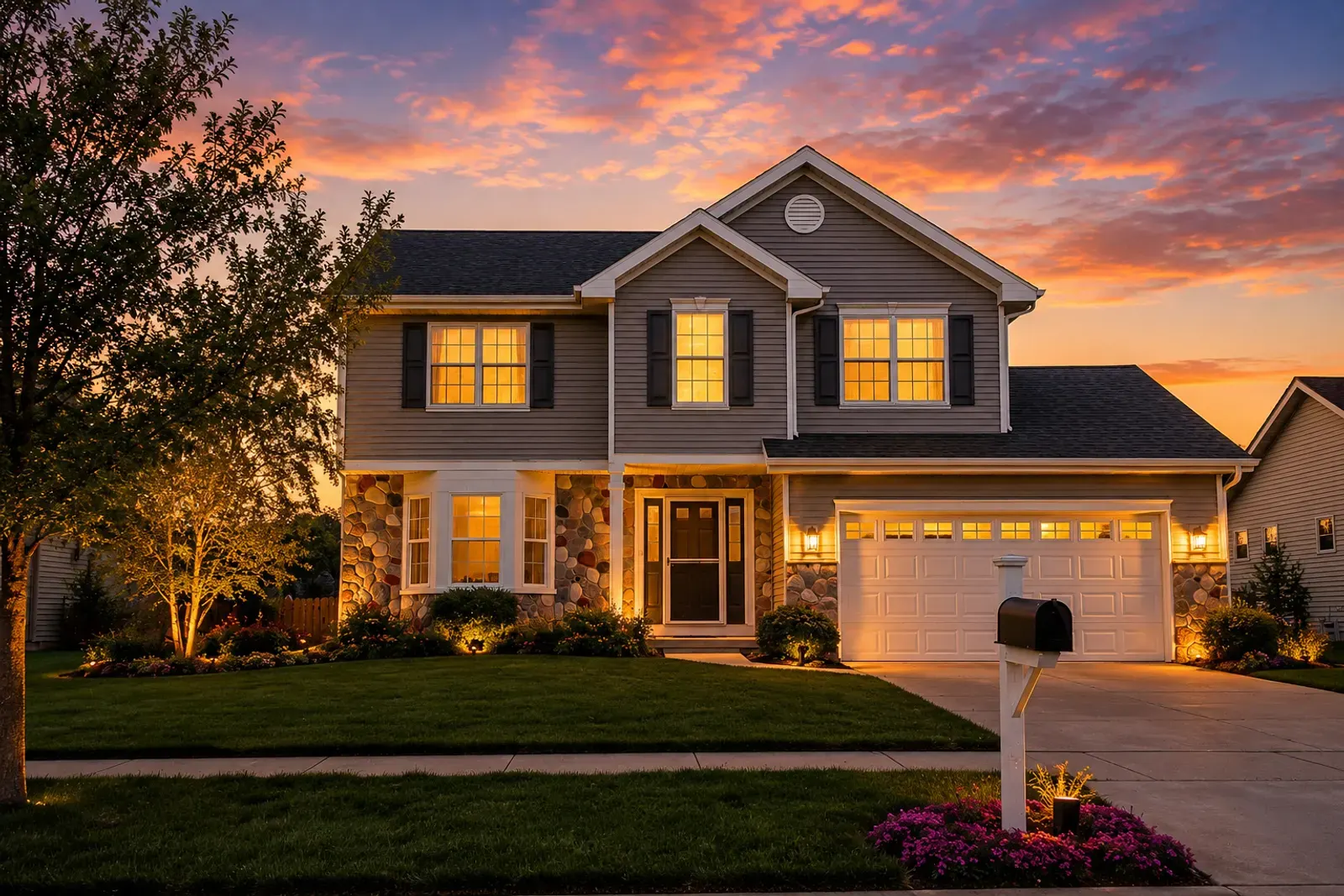
Buying on the California coast rewards sequence over speed: settle the market first, get financially ready second, and only then fall in love with a house. This guide covers the whole arc — choosing a coastline, money at the luxury tier, seeing homes early, coastal due diligence, and closing — with the buyer’s leverage preserved at each step.
Choose the coastline before the house
California’s coast is not one market; it is a string of very different ones wearing the same sunset. A morning fog line, a walkable village, a harbor, a school district — these shape daily life far more than a house’s finish level. The buyer who starts with “which town?” makes every later decision easier; the buyer who starts with a beautiful house often discovers they bought a commute, a microclimate, or a scene they never wanted.
Compare towns the way you would compare the homes themselves: character, privacy, access, and how inventory in each place tends to trade. Our neighborhoods pages profile the markets we work, from the gallery village and bluff estates of La Jolla to the quiet racetrack-and-beach rhythm of Del Mar. Rent a month in a finalist town if you can; nothing in a listing tells you what Tuesday feels like.
Be the buyer who can actually close
At the luxury tier, sellers weigh certainty nearly as heavily as price. The buyer whose finances are arranged — jumbo pre-approval fully underwritten, or proof of funds organized and current — negotiates from a different position than the buyer who is “sure it will be fine.”
Get the money conversation done before the search begins in earnest. If financing, understand what your lender needs at this price point and how long underwriting genuinely takes; if paying cash, have documentation ready that a listing agent can verify quickly. And decide your true ceiling in a calm week, not in a bidding one. For tax and structuring questions — trusts, entities, residency — bring in the appropriate licensed professionals early; unwinding a structure after closing is expensive.
The first look is a real advantage
The most interesting coastal homes often trade quietly. Some sellers prefer privacy; others test appetite before a public debut; estates and long-held family properties frequently change hands without a portal ever knowing. That quiet layer of the market is reached through relationships — representation that hears about homes early and a buyer profile that sellers take seriously.
This is the heart of how we work the buy side: see it first, know it best. Being early is only half the value; the other half is context — what the home would trade for with full exposure, what its issues are, why it is quiet in the first place. Early access without honest analysis just means overpaying sooner. The mechanics of getting genuinely early looks are covered in how to tour homes before the public, and our buyers page explains the representation behind them.
Coastal due diligence is its own discipline
Every home purchase needs inspections; a coastal one needs more of them, aimed differently. The ocean that makes these properties valuable also works on them continuously:
| Area | What to understand before closing |
|---|---|
| Bluff and geology | Stability, setbacks, and any history of reinforcement on bluff-top parcels |
| Salt air and moisture | Condition of roof, glazing, metals, decks; the maintenance rhythm the home will demand |
| Coastal permitting | What can and cannot be changed later — additions, decks, landscaping near the zone |
| Insurance | Actual availability and cost for this parcel, confirmed with a licensed insurance professional |
| View protection | Whether the view that justifies the price can be built out by a neighbor |
None of this should scare a buyer off; nearly all of it is knowable in advance. The discipline is refusing to let a sunset compress the timeline. Contingency periods exist precisely so the unglamorous questions get answered while your leverage is intact.
Understand what the same money buys, town by town
Once the due-diligence habits are in place, the search itself benefits from one more discipline: comparing across markets continuously, not just at the start. Coastal towns re-price at different speeds, and the home that is out of reach in one village has a sibling two towns north at a number that works. A buyer who tracks two or three markets in parallel — same brief, same budget, different coastlines — sees value the single-market buyer never notices.
The comparison should be qualitative as much as financial. In one town the budget buys the view but an older structure; in the next, new construction a walkable half-mile from the water; in a third, land and privacy with the ocean as a short drive rather than a horizon. None of these is objectively better. But buyers who articulate which trade they actually want — before an open house makes the choice for them — negotiate more calmly and regret less. This is also where good representation earns its keep on the buy side: not opening doors so much as keeping the whole shelf in view while you fall in love with one thing on it.
A practical exercise: for each finalist town, write down the three homes that sold recently that you would have bought, and what they closed for. That private scoreboard does two things — it calibrates your sense of value faster than any portal, and it tells you immediately when a new listing (or a quiet one) is genuinely worth moving on.
Negotiate terms, then close like a professional
In competitive coastal markets, offers win on the seller’s actual concerns — certainty, timeline, flexibility — as often as on the headline number. A clean, well-documented offer with sensible contingencies and a rent-back that solves the seller’s moving problem regularly beats a higher price wrapped in doubt.
Escrow rewards responsiveness: documents signed promptly, questions asked immediately, specialists scheduled early. Choose your escrow and inspection team for competence rather than convenience, and keep the emotional decision — the house — separate from the operational one — the close.
Start the conversation early
The best time to begin is before you are “officially” looking: markets narrow, finances arranged, a clear brief in trusted hands. That is when the early doors open. If the coast is somewhere in your future, Speak with Us (24/7) — a live voice answers at whatever hour the idea strikes, and the first conversation costs nothing but interesting questions.