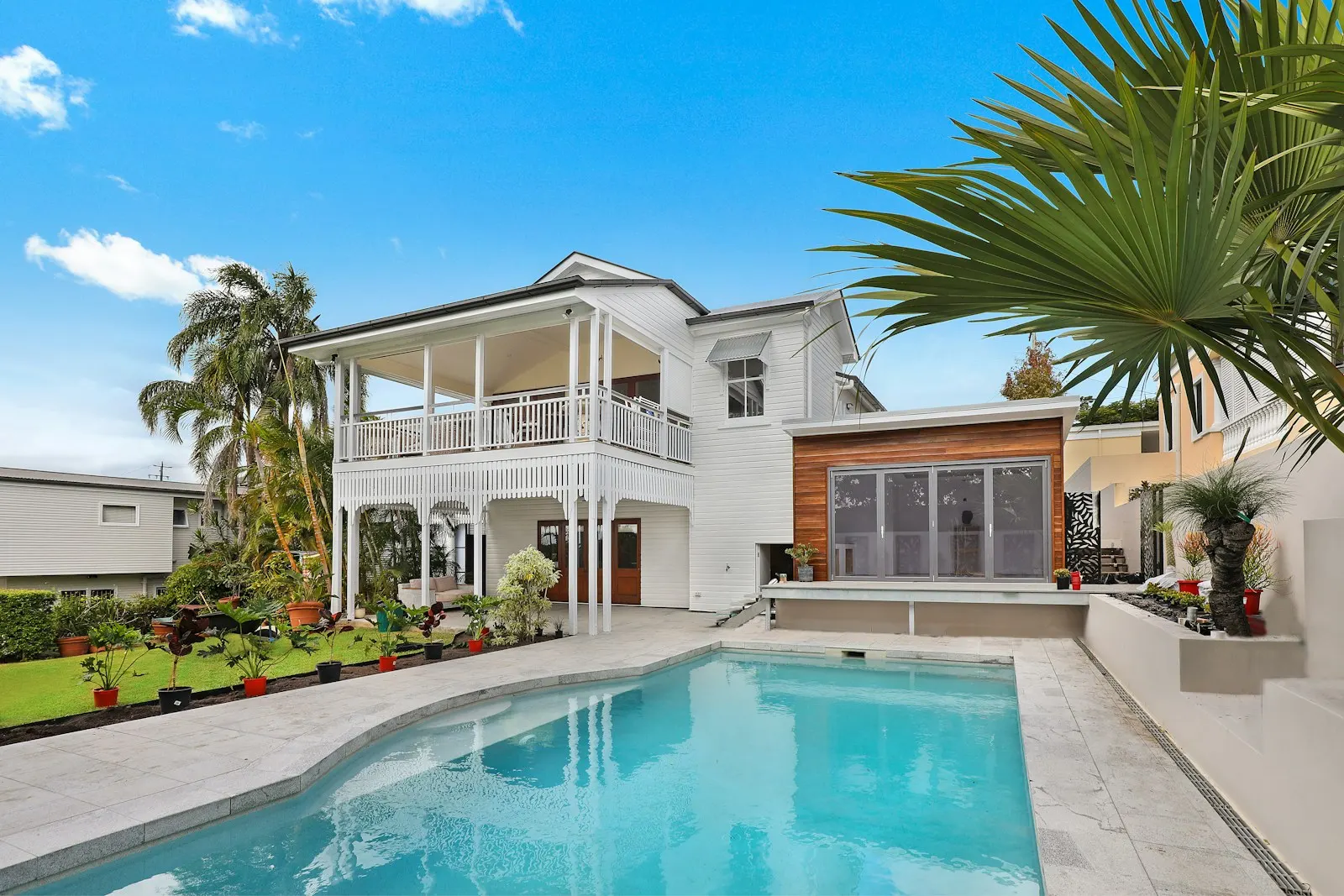
The final price of a luxury home is not set by the asking price, the negotiation, or the granite. It is set by how many qualified buyers genuinely compete for it. That is the entire argument for marketing reach: more exposure means more buyers leaning in, and more buyers leaning in is what produces the highest sale price.
Price is an auction outcome, not an opinion
Strip away the mystique and a home sale is an auction with poor attendance tracking. When one buyer shows up, the “market value” is whatever that one buyer feels like paying and you feel like accepting. When five show up, value stops being theoretical: it is discovered, bid by bid, and it almost always lands higher.
Nothing in that mechanism rewards cleverness at the negotiating table. Negotiation determines how the pie is cut only after exposure has determined how large the pie is. A seller’s leverage is manufactured weeks earlier, by the size and quality of the audience the marketing actually reached.
The buyer for a California coastal home is global
Here is the fact most listing strategies quietly ignore: the strongest buyer for a distinctive California home frequently does not live in California. Coastal properties from La Jolla to Del Mar draw relocating executives, international families, and second-home buyers comparing this coastline against the Mediterranean, the Gulf, and the Pacific Northwest.
Local-only marketing serves that home to the smallest slice of its true market. The listing that stops at the regional MLS and a yard sign is invisible to the buyer browsing from another time zone — and at the top of the market, the marginal bidder who never saw the home is often the one who would have paid the most for it. Scarcity is global; the audience should be too.
What real reach looks like
“Worldwide marketing” is easy to claim and easy to fake. Genuine reach is layered, and each layer targets a buyer the previous one misses:
| Layer | Who it reaches |
|---|---|
| MLS and major domestic portals | Buyers and agents already searching your area |
| International listing portals | Overseas buyers comparing world coastal markets |
| Design and architecture channels | Buyers who follow homes, not zip codes |
| Agent-to-agent networks | Represented buyers whose agents shortlist quietly |
| The brand’s own audience | Followers who trust the curator before the listing |
Two things make the layers work. First, presentation built for a stranger: photography and copy that assume the viewer has never heard of the street — which is why light-driven photography matters so much. Second, response: global exposure generates inquiries at 3 AM your time, and an inquiry that waits until morning is an inquiry that cools. Our line is answered live, around the clock, because reach without response is theater.
Engagement is the metric that matters
Raw impressions flatter everyone and pay no one. What converts exposure into price is engagement — saves, shares, repeat views, showing requests, agents calling for disclosures. A serious marketing operation watches those signals daily and adjusts: recutting the media, reordering the story, reweighting channels toward wherever qualified attention is actually coming from.
This is also the honest test a seller can apply when interviewing representation. Not “where will you post my home?” but “how will you know it is reaching the right buyers, and what will you change if it isn’t?” The first question gets a brochure. The second gets you the truth about whether exposure is a strategy or a slogan.
The whole point, in one line
We put it this way on our sellers page: the whole world will know your address. Not because global attention is glamorous, but because of what it does to the auction — more qualified buyers in the room, more engagement on the home, and a final price set by competition instead of by chance.
Exposure is one pillar of the complete playbook in selling a luxury home in California. If you want to know what a genuinely worldwide campaign would look like for your home, Speak with Us (24/7) — a live voice answers, whatever time zone your question comes from.